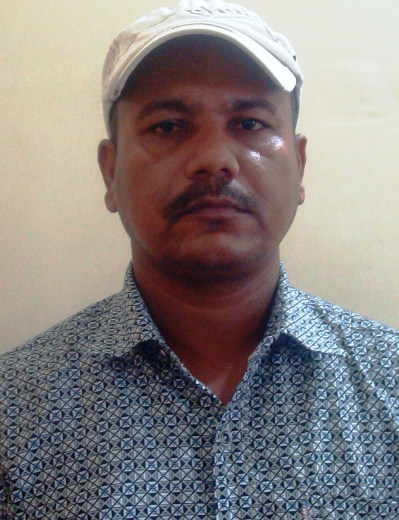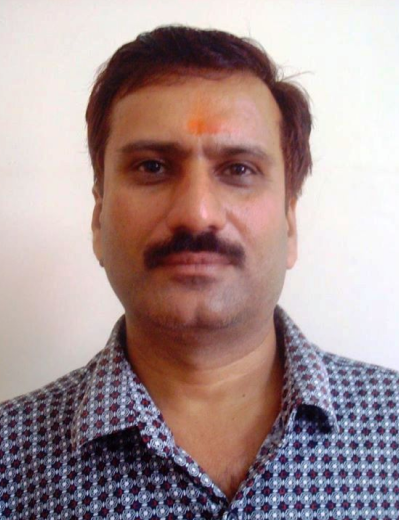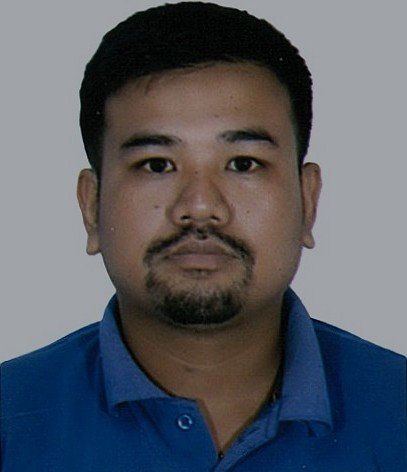
Koshi Province Chamber of Commerce & Industry

A native of rural eastern Nepal born in 1979, is a development studies scholar who has been serving as the Director General of the Chamber of Industries Morang (CIM) in Biratnagar for the past 5 years. With a 17-years tenure in the Business Membership Organizations (BMOs), Bhattarai has cultivated a profound understanding and experience in both demand and supply side interventions aimed at bolstering the private sector, with a particular focus on Micro, Small, and Medium Enterprises (MSMEs).
His expertise spans a variety of development partners, including the SDC, EU, DFID, GIZ, JICA, ILO, FAO, and AusAid, US Embassy, managing multiple projects that have enriched his skill set. His competencies lie in strategic planning, policy advocacy, fortifying the entrepreneurial ecosystem, managing BMOs and their secretariats, as well as knowledge management.
He has facilitated over 300 training sessions, workshops, and seminars, including three at the international level, and has conducted programs in 62 out of 77 districts in Nepal. His acumen also extends to market promotion initiatives, such as national and international exhibitions, and business networking meetings (B2B, B2G, and B2C).
He has taken the “Immersion Course on Contemporary Social Issues” from Social Science Baha: and got training from APO Japan “Global GAP – Good Agricultural Practices. Has awarded dissertation grant South Asian Institute / Heidelberg University, Celle Germany. His international exposure includes participation in the U.S. Department of State’s International Visitor Leadership Program (IVLP) in 2018, which focused on “Connecting Nepali Producers with the American Market.” During his tenure, CIM awarded by an International Award, best local chamber award from CACCI 2024. His diverse experiences and strategic insights make him a pivotal figure in Nepal’s industrial sector. He is passionate to work.
He has successfully led the Koshi Team of CEMETS ILAB Nepal 2024 as the winner of the cohort. As the team leader of Nepal’s ILAB Koshi Team, he plays a pivotal role in strengthening the local TVET ecosystem. His efforts in vocational education reform focus on motivating the private sector to take the lead in TVET, encouraging industries to create learning environments for students through work-based learning, and addressing high dropout rates.
In his initiation, CIM’s initiatives, such as career counseling programs, industry consortia for student monitoring, Skill Festivals, industry recognition programs (Reward to the Industries), Job Briz, and Rojgar Koshi, have contributed to systemic improvements in TVET education. His policy-driven advocacy, particularly in incentivizing industry participation, ensures apprenticeship programs remain sustainable, reinforcing local employment and skill development.